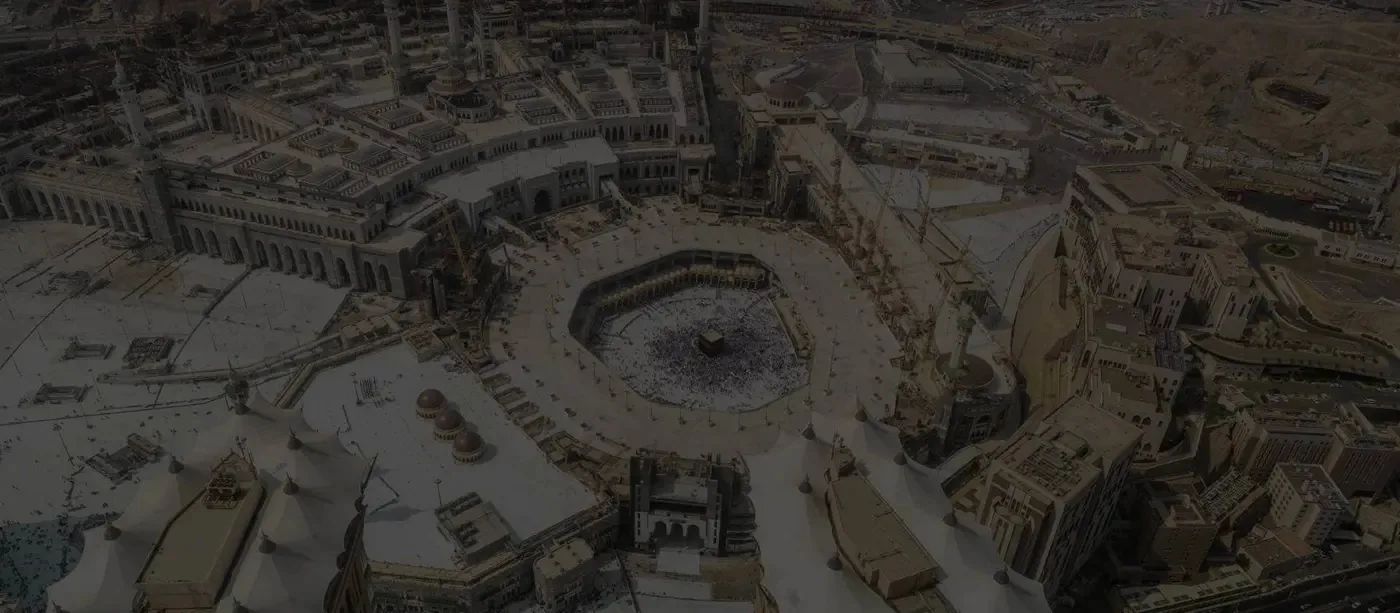
Hajj is one of the five pillars of Islam—a once‑in‑a‑lifetime obligation for every able‑bodied Muslim who can afford it. It’s a profound journey of faith, tracing the footsteps of the Prophet Ibrahim (AS) and the Prophet Muhammad (PBUH), and an act of worship that completely transforms those who undertake it. If you’re starting to research Hajj packages UK or want to understand how to perform Hajj before you commit, this Hajj guide covers the essentials: from the spiritual significance and day‑by‑day rituals to practical advice for pilgrims traveling from the United Kingdom.
Because Hajj takes place during specific days in the Islamic month of Dhul‑Hijjah, planning well in advance is crucial. Many British pilgrims begin their preparation one or even two years early. As we look ahead to Hajj 2026 and Hajj 2027, familiarising yourself with the Hajj requirements now will put you in a far stronger position when bookings open.
What Is Hajj and Why Is It So Important?
Hajj is the annual pilgrimage to Makkah, uniting millions of Muslims from every corner of the globe. It commemorates the trials of Prophet Ibrahim (AS), his wife Hajar, and their son Ismail (AS), and it symbolises the equality and brotherhood of the Ummah. Performing Hajj wipes away past sins, as the Prophet (PBUH) said, “Whoever performs Hajj for the sake of Allah and does not utter any obscene speech or do any evil deed, will go back (free of sin) as his mother bore him.”
Overview of the Hajj Rituals
Understanding the sequence of Hajj rituals helps you grasp the physical and spiritual dimensions of the journey. The main rites span five to six days, beginning on the 8th of Dhul‑Hijjah and concluding on the 12th or 13th.
- Ihram and Intention: Before entering the Miqat boundary, pilgrims enter a state of purity, donning the simple white garments. They make the intention for Hajj and refrain from certain worldly acts. From this moment, you are a guest of Allah.
- Day 1 – Tarwiyah (8th Dhul‑Hijjah): Pilgrims travel to Mina, a vast tent city, spending the day in prayer and reflection. It’s a day of mental preparation for the peak of Hajj.
- Day 2 – Arafah (9th Dhul‑Hijjah): The most critical day. Pilgrims proceed to the plain of Arafat, where the Prophet (PBUH) delivered his farewell sermon. Standing in earnest supplication from noon until sunset is the essence of Hajj; no other act carries such weight.
- Night of Muzdalifah: After sunset, pilgrims move to Muzdalifah, pray Maghrib and Isha combined, and collect pebbles for the stoning ritual. Sleeping under the open sky reinforces humility and equality.
- Day 3 – Rami al‑Jamarat and Qurbani (10th Dhul‑Hijjah): Return to Mina for the symbolic stoning of the largest pillar, representing the rejection of evil. Following this, an animal sacrifice commemorates Ibrahim’s willingness to sacrifice his son. Pilgrims then cut or shave their hair and partially exit ihram.
- Tawaf al‑Ifadah and Sa’i: Pilgrims head to Makkah to perform Tawaf around the Kaaba and walk between Safa and Marwah. This is a fundamental pillar of Hajj.
- Days 4–5 – Days of Tashreeq (11th‑13th Dhul‑Hijjah): Pilgrims stone all three pillars each day, spend the night in Mina, and can complete the farewell Tawaf al‑Wida before leaving Makkah.
Hajj Requirements and Eligibility
The Saudi Ministry of Hajj and Umrah sets specific Hajj requirements that UK pilgrims must meet. As a British Muslim, you will need:
- A valid passport with at least six months’ remaining validity from your travel date.
- A Hajj visa, which is issued exclusively through licensed Hajj operators. Independent travel is not permitted; you must book a formal Hajj package UK with an authorised agent.
- Proof of meningitis vaccination (ACWY) and any additional vaccines recommended at the time of travel.
- For female pilgrims, a mahram may be required depending on the latest regulations—check with your operator well in advance.
- Physical fitness: Hajj involves extensive walking, often in heat of 40°C or more. A medical check‑up is wise before you book.
Preparing for Hajj from the UK
Preparation goes far beyond packing a suitcase. Start by educating yourself about the Hajj rituals through online courses, local mosque seminars, and reading reliable texts. Many British pilgrims also choose to perform Umrah beforehand as a “trial run,” which builds confidence navigating the two holy cities. Spiritual readiness matters just as much—repentance, settling debts, and reconciling with others are powerful ways to enter the journey with a clean slate.
From a practical standpoint, book your Hajj packages UK as early as possible. Demand outstrips supply every year. Reputable agencies like Labbaik Hajj Umrah release their allocations months in advance, and securing your spot early gives you the widest choice of flights, hotels, and packages. When comparing packages, look for ATOL protection, clear breakdowns of what’s included, and experienced guides who will accompany your group throughout the pilgrimage.
Physical training should not be overlooked. Walking several kilometres daily, standing for long periods, and coping with intense crowds require stamina. Start a walking routine months before departure, and invest in comfortable, well‑broken‑in footwear.
For those planning ahead, whether you’re targeting Hajj 2026 or Hajj 2027, we encourage you to register your interest early. Our team offers detailed guidance on every stage of the process—from visa paperwork to selecting the right package. If you have questions about performing Hajj, the rites, or which package suits your needs, call Labbaik Hajj Umrah on 02038656950. With 42 years of experience helping British pilgrims fulfil this sacred obligation, we’re here to support you every step of the way.