For every Muslim intending to visit the holy cities of Makkah and Madinah, understanding how to perform Umrah correctly is essential. This sacred journey is profoundly personal, yet it follows a prescribed sequence of Umrah steps that have been passed down through generations. Whether you are preparing for your first pilgrimage or seeking a refresher, a clear Umrah guide can help you approach each ritual with the right intention, awareness, and humility. At Labbaik Hajj Umrah, we believe that knowing the Umrah rituals in depth not only enhances your spiritual experience but also ensures that your worship is accepted, insha’Allah. In this article, we walk you through each phase of the Umrah, highlight the etiquette that surrounds it, and point out common mistakes so you can focus wholly on your devotion.
Entering the State of Ihram
The Umrah officially begins with ihram – a sacred state of purity and intention. Before crossing the boundary of the Miqat, men must don two white, unstitched pieces of cloth, while women wear modest, loose-fitting clothing that covers their entire body except the face and hands. It is not merely a change of clothing; ihram symbolises equality, simplicity, and a complete turn towards Allah. At the Miqat, you make the niyyah (intention) and recite the Talbiyah: “Labbayk Allahumma Umrah.” From that moment, certain worldly actions become prohibited – such as cutting hair, clipping nails, using perfume, engaging in marital relations, or hunting. A common mistake is to delay the declaration of intention until after passing the Miqat, which necessitates a fidya (expiation). Always ensure you are in ihram before crossing the appointed boundary. Also, remember that the prohibitions apply throughout the entire Umrah until you complete the tahallul (the exit from ihram).
Performing Tawaf Al-Umrah
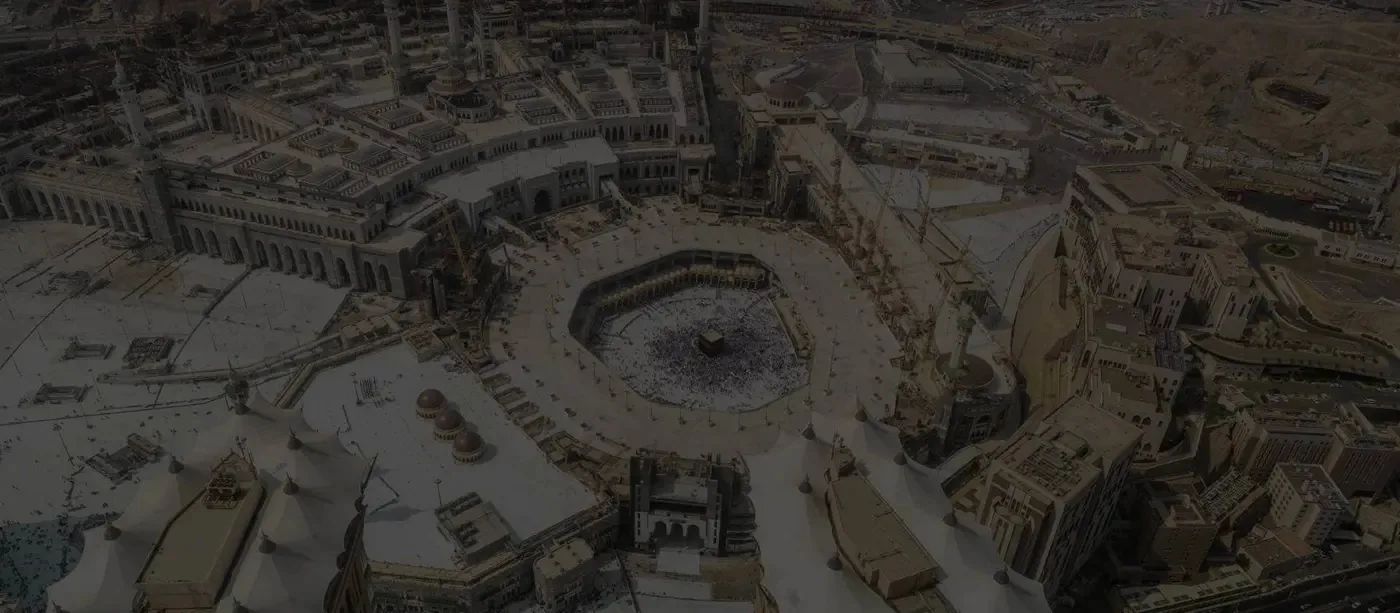
Upon entering Masjid al-Haram, the next pillar of the Umrah steps is tawaf – the seven circumambulations around the Ka’bah. Begin with the right foot and line up at the corner of the Black Stone (al-Hajar al-Aswad). If possible, kiss the stone, touch it with a stick, or simply gesture towards it while saying “Bismillah, Allahu Akbar.” Each circuit starts and ends at this point. Men are encouraged to uncover their right shoulder (idhtiba) and walk briskly with short steps (raml) during the first three circuits, if possible, while women walk normally. Throughout tawaf, keep your focus on supplications, dhikr, and reflection rather than conversation. A frequent mistake is to push and shove to reach the Black Stone, causing harm to others. The Prophet (peace be upon him) taught that even pointing from a distance suffices, and preserving the sanctity and safety of fellow pilgrims takes precedence. After completing seven rounds, pray two rak’ahs behind Maqam Ibrahim if space permits, or anywhere in the mosque. Drink Zamzam water afterwards, making du’a for its blessings.
Sa’i between Safa and Marwah
The next ritual in the Umrah guide is sa’i – walking seven times between the hills of Safa and Marwah, emulating Hajar’s search for water for her son Ismail. The sa’i begins at Safa, where you face the Ka’bah from the hill, raise your hands in supplication, and recite prescribed du’as. Then descend towards Marwah, walking at a normal pace, except for the area between the two green markers where men should quicken their pace. Women maintain a steady walk throughout. Once you reach Marwah, stand facing the Ka’bah and supplicate again, completing one lap. Continue until you finish the seventh lap at Marwah. A common oversight is to treat sa’i as merely a physical exercise or to engage in idle talk. Stay focused on the meaning behind the act – complete reliance, patience, and gratitude. Also, note that wudu is not a strict requirement for sa’i, although maintaining it is recommended. If you are unsure of the count, rely on the markers and count back from Safa. Always verify you have completed seven full trips before moving on.
Halq or Taqsir – Exiting Ihram
Once sa’i is completed, the final of the essential Umrah rituals is the cutting of the hair. Men may either shave the head completely (halq) or trim it equally from all sides (taqsir), with shaving being more virtuous. Women shorten their hair by the length of a fingertip. After this, the state of ihram ends, and all its prohibitions are lifted. It is important to perform this step in the Haram area of Makkah, not outside. A mistake some pilgrims make is cutting only a few strands of hair, which does not fulfil the requirement. Ensure that the hair is either fully shaved or trimmed noticeably. At this point, your Umrah is complete, and you can resume normal activities, having attained a fresh start and, insha’Allah, forgiveness of sins.
Etiquette and Mindset Throughout
Beyond the formal steps, true excellence in Umrah conduct lies in patience, humility, and respect for fellow pilgrims. Avoid pushing, maintain personal hygiene, refrain from backbiting, and keep your tongue moist with remembrance of Allah. Dress modestly even after ihram. If you are leading a group or are alone, carry a pocket-sized guide for the du’as so you do not lose concentration. A frequent pitfall is to become agitated by the crowds; remember that the spiritual reward is multiplied by the difficulty. Plan your timing for tawaf and sa’i to avoid peak heat and rush – after Fajr or late evening are often less congested. Above all, let your heart be present; the physical acts are meaningless without sincere intention.
If you are preparing for this blessed journey and would like personalised advice on the Umrah steps, ihram preparation, or simply need reassurance that you are performing every ritual correctly, reach out to Labbaik Hajj Umrah. Our experienced team is only a call away on 02038656950. We are here to guide you every step of the way so that your Umrah is peaceful, accepted, and truly transformative.