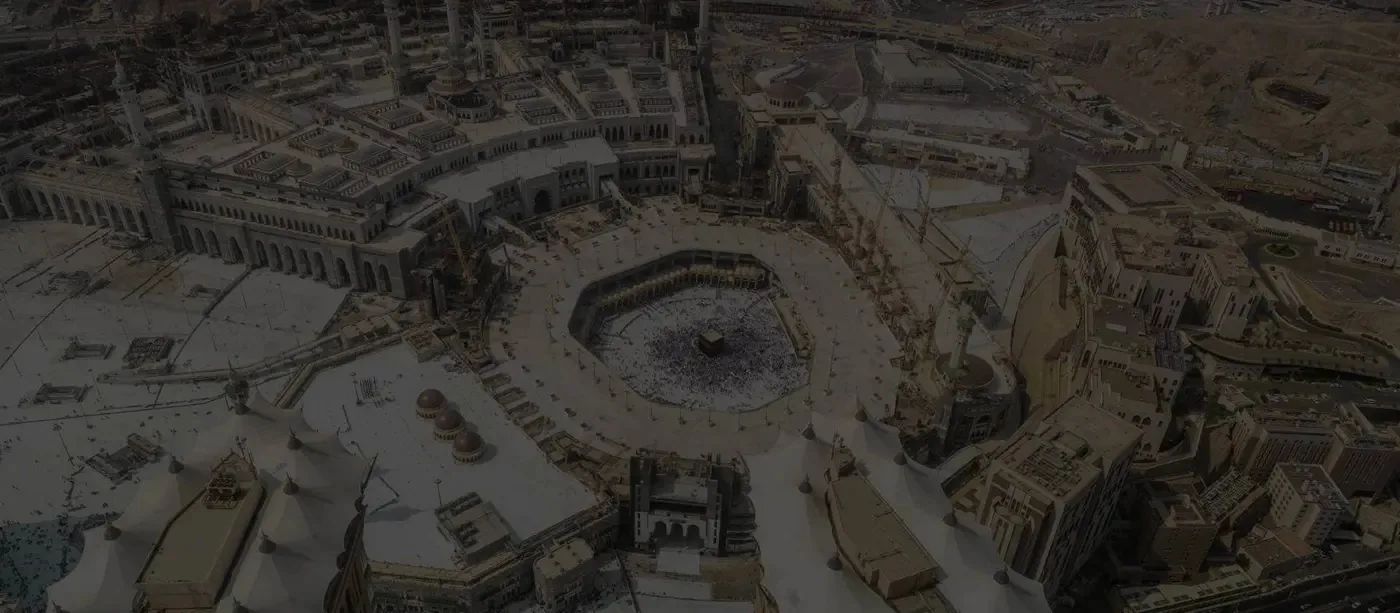

Do you really need to perform Umrah in Ramadan? As Umrah can be performed at any time of the year except during the Hajj days, but Ramadan is a preferred month for Umrah. According to a Hadith for performing Umrah in Ramadan, rewards become equal to Hajj, as said by Prophet Muhammad (PBUH):
“Perform Umrah when Ramadan comes, for Umrah in Ramadan is equal to Hajj in rewards.” – Sahih al-Bukhari: 1782
Ramadan is the 9th month of the Islamic calendar and is blessed with Allah’s SWT mercy and forgiveness. That is why this month has more significance in Islam than other months. Ramadan is also known as a period of fasting when the whole Muslim Ummah fast from pre-dawn to sunset. The purpose of fasting is to get piety, and Muslims do this to get closer to Allah SWT.
Fasting has a unique significance in Islam, as it is mentioned in the Hadith Qudsi that Prophet Muhammad (PBUH) said:
“Allah SWT said, every good deed of Adam’s son is for him except fasting; it is for Me.” – Sahih al-Bukhari: 5927
Every good deed done in Ramadan is capable of acceptance by Allah SWT. One of the good acts among Muslims is performing Umrah in Ramadan. So, now we will explore the significance, benefits, and rewards of performing Umrah in Ramadan and why you need to accomplish it.
To Follow the Hadith of Prophet Muhammad (PBUH)
As mentioned above in the reward of Umrah in Ramadan Hadith, Allah SWT blesses the Umrah pilgrims with the same recompense as the Hajj pilgrims get during Hajj. Hence, many Muslims go for Umrah in this month to follow the Hadith and to get blessings from Allah SWT. This doesn’t mean that Umrah and Hajj are equal to each other; both are separate pilgrimages of Islam. It’s not compulsory that you must travel for Umrah in this blessed month to obey the Hadith. And remember, it’s not a general rule; if you are able, follow the Hadith and travel for Umrah.
Behind the Hadith, Prophet Muhammad’s (PBUH) intention was to make the Muslim Ummah understand that Ramadan is not only a month of fasting but a time to increase worship. In real context, this Hadith was a response to a Sahabiyah Umm-e-Sinan al-Ansariyyah (R.A) when she was not able to go on Hajj with Prophet Muhammad (PBUH). So, keep in mind, Hadith is always for motivation and following, not for suffering or compulsion. Here, the Prophet Muhammad (PBUH) has described the virtue of Umrah, not any obligation.
To Experience the Blessings, Mercy, and Forgiveness of Ramadan
Ramadan is a 29 or 30-day period of blessings and mercy from Allah SWT. During this period, Allah SWT continuously showers His mercy on Muslims and forgives their past sins. That’s the actual significance of Ramadan. Prophet Muhammad (PBUH) said:
“Whoever observes fasts during the month of Ramadan out of sincere faith, and hoping to attain Allah’s rewards, then all of his past sins will be forgiven.” – Sahih al-Bukhari: 38
From this Hadith, you can understand how important Ramadan is in a Muslim’s life. However, when you intend to perform Umrah in this blessed period, then the reward will be written many times by Allah SWT. Allah Almighty multiplies the rewards of Umrah more than double. Now think, if you perform Umrah, how many times will your reward be increased? To imagine this, you can take the reference of Hadith 1151e of Sahih al-Muslim.
Umrah in Ramadan is an Expiation of Sins
One of the benefits of Umrah is the expiation of sins. Most Muslims perform it for this purpose and to get blessings from God. The following words appear in the Hadith about it:
“Umrah to Umrah is an expiation for the sins committed between it and the previous one.” – Sahih al-Bukhari: 1773
Hadith says in a clear way that if a Muslim performs Umrah, all his previous sins are washed away. Allah SWT, through his blessings, forgives the pilgrims and refreshes their souls to start a new spiritual life. Think, if you perform it in the blessed month of Ramadan.
When a Muslim goes to the house of Allah SWT and asks for forgiveness, a new feeling arises within him that he should go back and avoid sins to change his life. This spirit fulfils the true purpose of blessings of Umrah during Ramadan; to purify oneself, draw closer to Allah SWT, and improve actions.
Every human being makes mistakes; to err is human, to forgive is divine. But the Umrah provides an opportunity for the devotee to confess their sins. In Ramadan, when the doors of mercy are open, this repentance and forgiveness are even more accepted.
You can realise the Laylatul Qadr during Umrah.
Laylatul Qadr is a special odd night which comes in the last Ashra (last ten days) of Ramadan. And this is the night when the Holy Quran was revealed to Prophet Muhammad (PBUH). Allah SWT said in the Holy Quran:
“Ramadan is the month in which the Quran was revealed as a guide for humanity with clear proofs of guidance and the decisive authority.” – Surah al-Baqarah (2:185)
When you perform Umrah during Ramadan, you engage in worship and prayers at every moment. This is the actual state in which you can feel the spiritual peace of Laylatul Qadr. The Holy Quran says about this special one of the odd nights:
“And what will make you realise what the Night of Glory is? The Night of Glory is better than a thousand months.” – Surah al-Qadr (97:2-3)
According to this verse and Islamic debates, worshipping in this blessed night of Ramadan is equal to the worship of a thousand months, approximately 83 years. This is what we can say: the real benefit and beauty of Ramadan for Muslims.
The reward of praying inside Masjid al-Haram is up to a thousand times greater than praying at any other mosque or place. Now think, if you spent Laylatul Qadr by praying during Umrah, it will become a spiritual journey for you, just like a journey from earth to space. The night of glory is a metaphorical and spiritual experience in which the heart completely surrenders to Allah SWT.
To Receive the Reward of Breaking Fast in Makkah and Madinah
Prophet Muhammad (PBUH) said, narrated by Zaid bin Khalid Al-Juhani:
“Whoever gives food for a fasting person to break his fast, he will have a reward like theirs, without that detracting from their reward in the slightest.” – Sunan Ibn Majah: 1746
If you break someone’s fast by food or any other source as per Sharia laws, you will get the same reward as the fasting Muslim gets. And if you can do this act in Makkah or Madinah during the environment of Umrah in Ramadan, you will get more spiritual benefits, as discussed previously, up to a thousand times.
Apart from breaking others’ fast, if you experience Iftaar and Suhoor as your own, this will be wonderful. At this time, you are closest to Allah SWT, where Duas during Iftaar are accepted and every deed is magnified. Another Hadith says that:
“There are three whose supplication is not rejected, and one of them is the person when he breaks his fast.” – Jami’ at-Tirmidhi: 3598
As during Umrah you will be in Masjid al-Haram or Masjid an-Nabawi, then the level of acceptance of your Duas becomes even higher. This means, if a Muslim fasts during Umrah in Ramadan in Makkah or Madinah and does Iftaar, the reward erases the sins and opens the doors of mercy. All this is due to the grace of Allah SWT, who is very kind to humans.
To conclude, these are the basic reasons why you need to perform Umrah in Ramadan, which are also mentioned in Hadiths. At the end, you will feel the Umrah of Ramadan wash both the heart and soul. May Allah SWT accept your Umrah in Ramadan and bless you with His mercy!
Whether performing Umrah in Ramadan can be budget-friendly or not, whether this trip is expensive as compared to normal days or months. Along with the competitiveness of this blessed month, UK pilgrims have multiple and tailor-made options to make it memorable and remarkable. If you are curious and want to perform it, explore our Ramadan Umrah Packages on the web and pick suitable packages for Ramadan Umrah.
References
Sources used for this article.
- Sahih al-Bukhari 1782: “Umrah in Ramadan Is Equal to Hajj in Reward” — directly supports the article’s main claim that the Prophet ﷺ encouraged performing Umrah in Ramadan and described its reward as equivalent to Hajj. It does not mean that Umrah replaces the obligation of Hajj.
- Sahih al-Bukhari 38: “Fasting Ramadan Out of Faith and Hope for Reward” — directly supports the statement that fasting Ramadan sincerely, seeking Allah’s reward, is a means for forgiveness of previous sins.
- Sahih al-Bukhari 5927 (Book of Dress, Chapter: What has been mentioned about musk): “The Reward of Fasting” — directly supports the article's Hadith Qudsi about fasting being especially for Allah and Allah rewarding the person who fasts.
- Sahih Muslim 1151e: “The Reward of Fasting” — supports the article's discussion of the special reward of fasting and the statement that good deeds may be multiplied, while fasting has a special reward from Allah.
- Sahih al-Bukhari 1773: “Umrah to Umrah Is an Expiation” — directly supports the claim that one Umrah is an expiation for sins committed between it and the previous Umrah. Importantly, this does not say that one Umrah automatically wipes away all previous sins.
- Qur’an 2:185: “Ramadan and the Revelation of the Qur’an” — directly supports the article's statement that Ramadan is the month in which the Qur’an was revealed and that fasting Ramadan is prescribed.
- Qur’an 97:1–3: “The Night of Al-Qadr” — directly supports the claim that Laylatul Qadr is a night better than a thousand months.
- Sahih al-Bukhari 2017: “Seeking Laylatul Qadr in the Last Ten Nights” — directly supports the statement that Muslims should seek Laylatul Qadr during the odd nights of the last ten nights of Ramadan.
- Sahih al-Bukhari 2014: “The Virtue of Laylatul Qadr” — supports the article's discussion of the forgiveness associated with standing in prayer during Laylatul Qadr with sincere faith and hope for Allah's reward.
- Sunan Ibn Majah 1746: “Reward for Feeding a Fasting Person” — directly supports the article's statement that someone who provides food for a fasting person to break their fast receives a reward like that of the fasting person without diminishing the fasting person's reward. The narration is graded Sahih on the cited source.
- Jami` at-Tirmidhi 3598: “The Supplication of the Fasting Person” — supports the article's statement concerning the supplication of a fasting person at the time of breaking the fast. The cited source grades this narration Hasan.
Last reviewed dates (2 October 2026). Rules set by the Saudi authorities change — check the official sources above, or call us, before you book around a deadline.

Planning this trip?
Get in touch with our team today for tailored advice and a quote for your pilgrimage.
Get a quote 020 3865 6950

